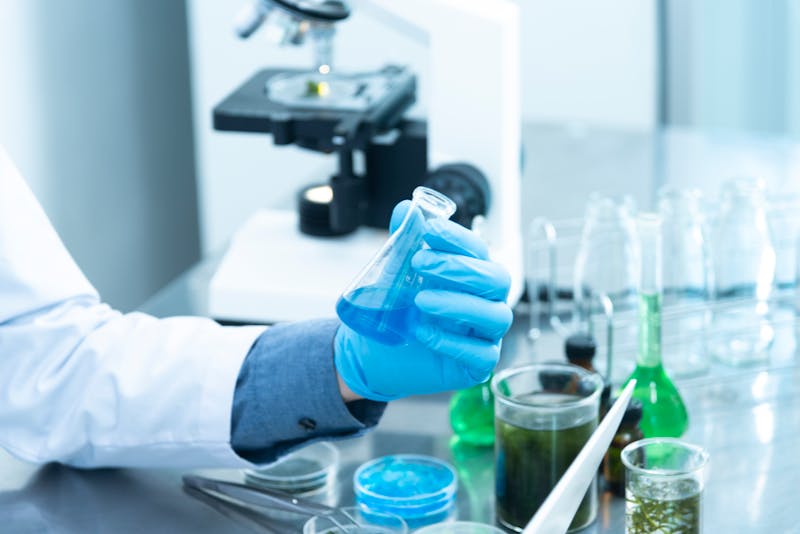
Optimizing extraction processes is fundamental for scaling the industrial application of natural polymers. Our team has validated a new protocol that increases yield by 18%.
The research focused on the chemical properties of terpenoids present in Pistacia lentiscus resin. The traditional solvent extraction method has limitations in the purity of the final polymer, affecting its application in pharmaceutical-grade adhesives.
Methodology and Results
The new process implements a controlled enzymatic hydrolysis stage prior to extraction. Using specific enzymes, partial depolymerization is achieved, facilitating the separation of high molecular weight components.
- Higher purity: 22% reduction in cellulosic impurities.
- Energy efficiency: The process operates at 45°C, compared to 80°C in the conventional method.
- Scalability: The protocol has been successfully tested in 100-liter reactors.
This advance in resin bioengineering not only improves process economics but also guarantees a more consistent chemical profile, crucial for its use in the pharmaceutical industry as an encapsulation agent.
"Precision in extraction defines the quality of the natural polymer. This protocol brings technical resins closer to the most demanding industrial standards."
Direct Industrial Applications
Resins obtained through this process are already being evaluated by industrial partners for two main applications:
- Medical adhesives: For their biocompatibility and controlled adhesive strength.
- Sustained-release coatings: For pharmaceutical active ingredients sensitive to gastric pH.
The next steps of the research will focus on the chemical modification of these polymers to expand their range of applications in industrial chemistry.